Why Your Feet Are Making You Weak (And How Barefoot Shoes Help)
Based on insights from Dr. Courtney Conley, foot health expert
The Wake-Up Call That Changed Everything
I recently watched an interview with Dr. Courtney Conley that completely transformed how I think about footwear. As a foot health expert who’s worked with professional athletes from the NBA, NFL, and MLB, Dr. Conley shared insights that made me look at my shoe collection with new eyes.
The truth? Modern shoes are making us weak.
Not just uncomfortable. Not just unfashionable. Actually, physically weakening our bodies from the ground up.
And here’s the kicker - this affects millions of Malaysians who spend their days in conventional footwear, from office workers in KL Sentral to students in Subang Jaya.
The Problem with “Normal” Shoes
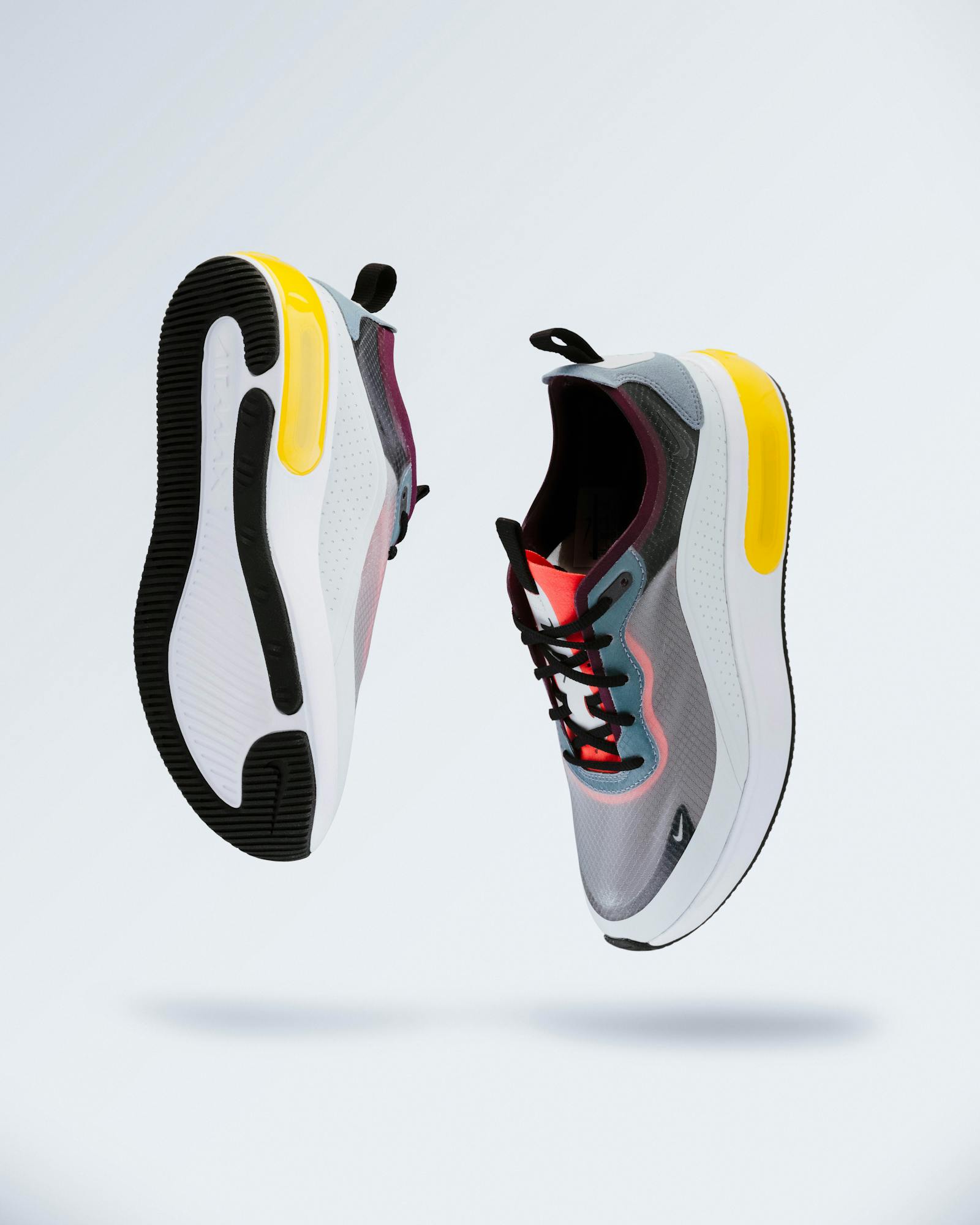
Take a look at the shoes you’re wearing right now. Whether they’re sneakers, dress shoes, or running shoes, they likely have these features:
1. Elevated Heels
Even shoes marketed as “flat” often have a slight heel raise (8-12mm). This shifts your weight forward, altering your natural posture and putting strain on your knees and lower back.
2. Narrow Toe Boxes
Most shoes squeeze your toes together, preventing natural toe splay. Over time, this weakens the small muscles in your feet and can lead to bunions and other deformities.
3. Thick Cushioning
All that foam and gel does the work your feet should be doing. Your foot muscles become lazy, leading to weakness and poor proprioception (your body’s ability to sense its position).
4. Rigid Soles
Traditional shoes don’t bend and flex with your feet. This restricts natural movement patterns and prevents your feet from strengthening through daily use.
The Foot-Body Connection: Why This Matters
Here’s what blew my mind: Your feet are the ONLY interface you have with the ground. Every step you take sends information through your entire body.
When your feet are restricted:
- Your knees compensate → Knee pain
- Your hips shift → Hip misalignment
- Your spine adjusts → Back pain
- Your posture suffers → Neck and shoulder tension
It’s no wonder so many Malaysians deal with chronic pain that seems to have no clear cause. We blame our desks, our commutes, our age - but we rarely look at our shoes.
The Science Behind Barefoot Walking
Dr. Conley explains that our feet are incredibly complex structures with 26 bones, 33 joints, and over 100 muscles, tendons, and ligaments. They’re designed to move, flex, and adapt to terrain.
When we encase them in restrictive footwear, we’re essentially putting them in casts. The muscles atrophy, the joints stiffen, and we lose the natural strength and flexibility that evolution gave us.
Research comparing habitually barefoot populations to shoe-wearing populations shows dramatic differences:
- Stronger foot muscles in barefoot populations
- Better balance and stability
- Fewer foot deformities
- More natural gait patterns
The Solution: Reclaim Your Natural Movement
The good news? You can reverse this damage. Dr. Conley emphasizes that transitioning to barefoot-style footwear can:
- Rebuild foot strength - Your dormant foot muscles reawaken
- Improve balance - Better ground connection = better stability
- Enhance posture - Natural alignment from the ground up
- Reduce pain - Address the root cause, not just symptoms
- Increase proprioception - Better body awareness
But Wait - Don’t Throw Out Your Shoes Yet
Here’s the crucial part that many people miss: You must earn your right to go minimalist.
If you’ve been wearing conventional shoes for decades (which most of us have), your feet need time to adapt. Going straight from thick-cushioned sneakers to thin-soled barefoot shoes can lead to injury.
The Safe Transition Protocol for Malaysians
Week 1-2: Start with 10-15 minutes daily in barefoot shoes
- Wear them around your home in Damansara
- Short walks in your neighborhood in PJ
- Light errands in Bangsar
Week 3-4: Increase to 30 minutes
- Walk to the nearby mamak
- Short grocery runs
- Casual outings
Week 5-6: Work up to 1-2 hours
- Office wear (if appropriate)
- Weekend walks in KLCC Park
- Light shopping
Month 2+: Gradually replace conventional shoes
- Listen to your body
- Increase duration as comfort allows
- Don’t rush the process
Foot Strengthening Exercises (Do These Daily)
These exercises, recommended by Dr. Conley, help prepare your feet for barefoot shoes:
1. Toe Yoga (2 minutes)
- Lift and spread your toes as wide as possible
- Hold for 5 seconds
- Release
- Repeat 10 times
2. Short Foot Drill (3 minutes)
- Stand with feet hip-width apart
- Lift your arch by contracting foot muscles
- Keep ball and heel on the ground
- Hold for 5 seconds, repeat 10 times per foot
3. Toe Splay (2 minutes)
- Use your fingers to spread your toes
- Hold for 10 seconds
- Or use toe spacers if available
4. Heel Raises (3 minutes)
- Stand on one foot
- Raise and lower your heel slowly
- 15 reps per foot
Choosing Your First Barefoot Shoe in Malaysia
If you’re ready to start your journey, here’s what to look for:
For Beginners (Start Here)
- Slightly more cushioning for comfort
- Wide toe box for natural toe splay
- Flexible sole that bends easily
- Zero drop (no heel elevation)
Our Recommendation: Saguaro Luck 1 - Great entry point
For Active Lifestyles
- Enhanced grip for gym/training
- Durable construction
- Still flexible and zero drop
Our Recommendation: Saguaro Active 2 Pro
For Office Professionals
- Sleek, professional appearance
- Comfortable for all-day wear
- Pairs well with business casual
Our Recommendation: Women Smart 2
The Bottom Line
Your feet are the foundation of your health. If you want to move better, age gracefully, and avoid pain - start with your feet.
Dr. Conley puts it perfectly: “I enjoy helping you walk better through life.”
In Malaysia, where we walk a lot - whether it’s to the MRT station, through shopping malls, or on weekend hikes - having healthy, strong feet makes every step more enjoyable.
Ready to take your first step? Use code SUBIMPACT for 10% off and explore our curated collection of beginner-friendly barefoot shoes.
Have questions? Drop us an email at hello@bearfoot.my - We’re here to help on your foot health journey!